
Scientific Research
Insights Applications Innovation Impact
Scientific Instrument Blogs & Insights
10 items
19 Oct 2026
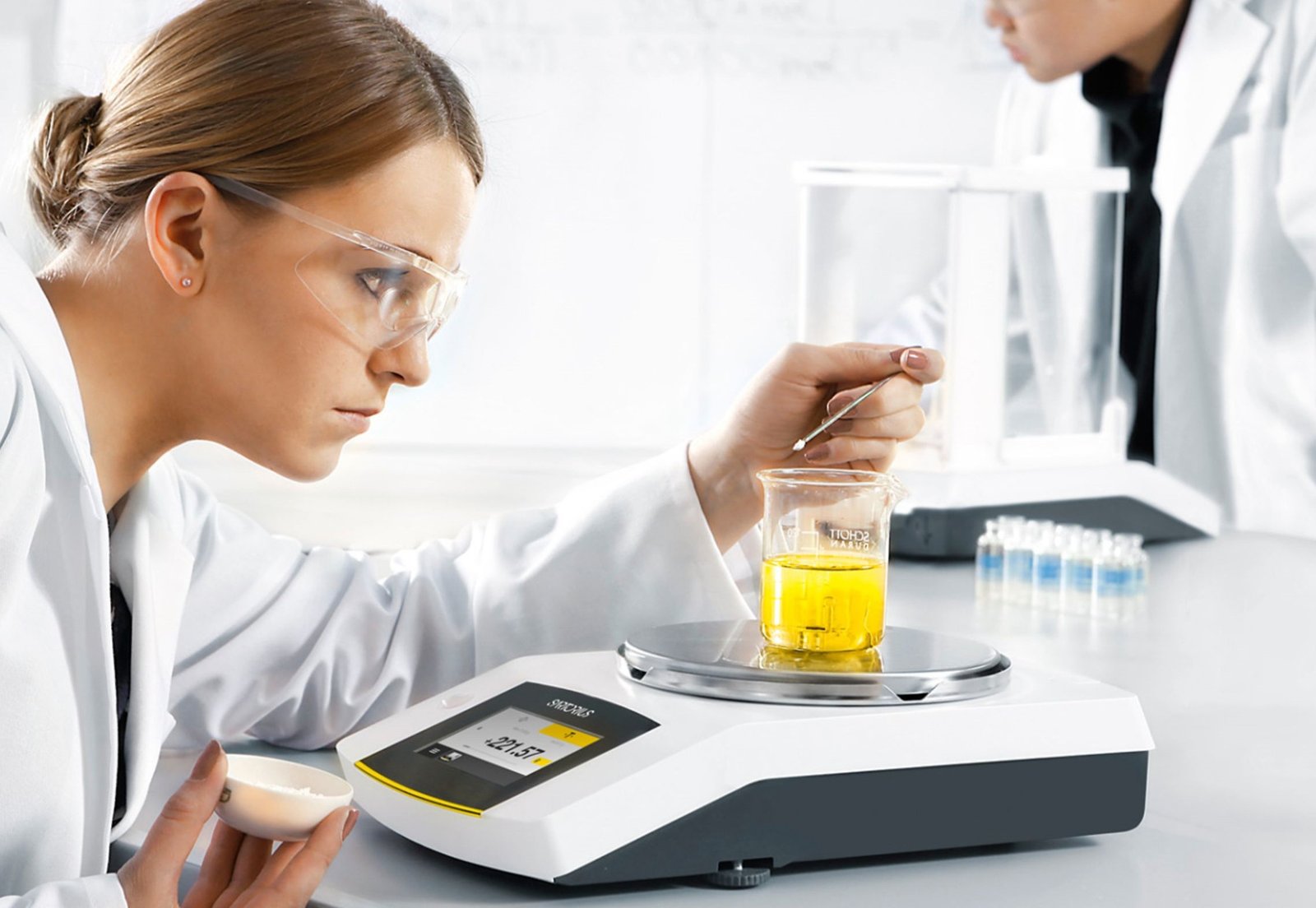
How to choose an analytical or semi-micro balance: readability, capacity, repeatability
Readability alone does not tell you how small a sample you can weigh reliably. Learn how readability, capacity and repeatability work together before you pick a balance.
Read More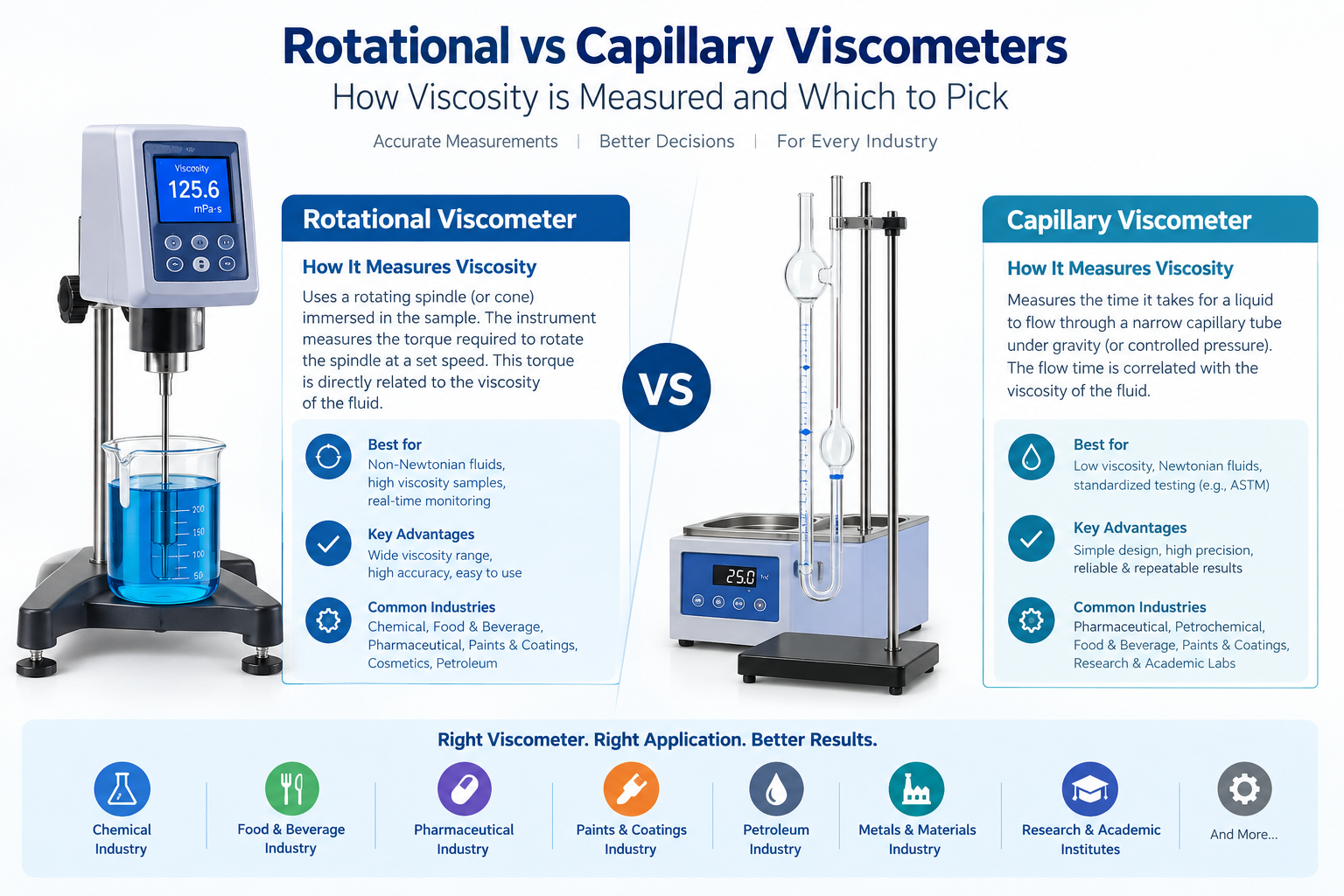
19 Oct 2026
Rotational vs capillary viscometers: how viscosity is measured and which to pick
Capillary viscometers time a liquid flowing under gravity; rotational viscometers measure torque on a spinning part. See what each measures and when to use which.
Read More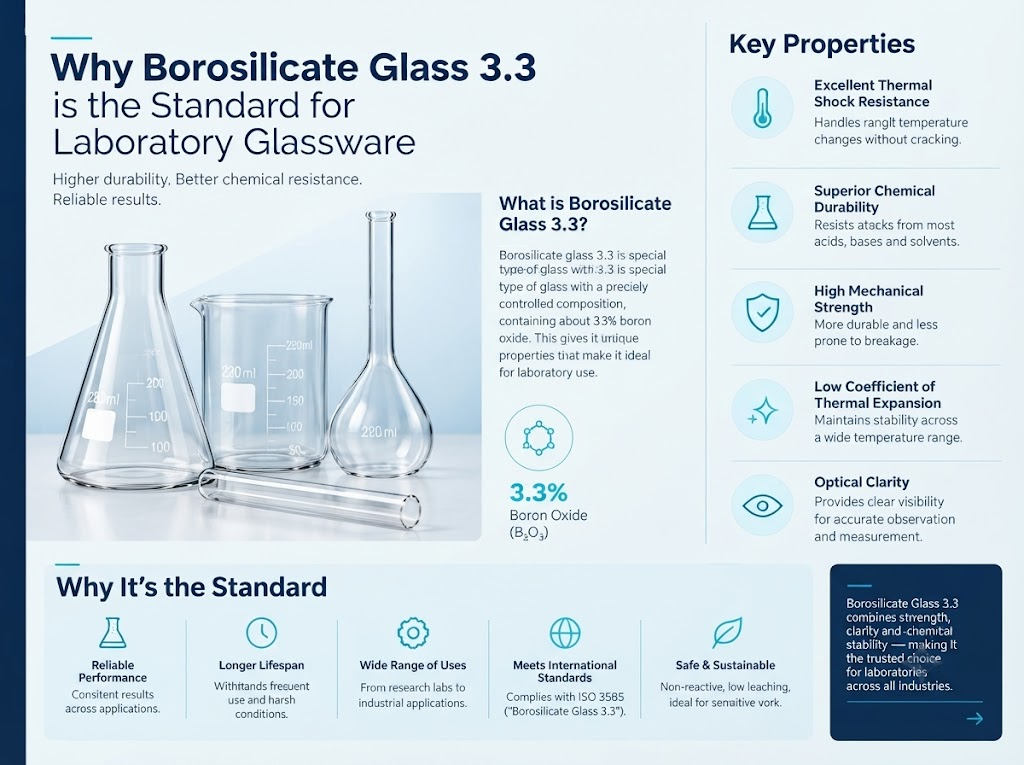
19 Oct 2026
Why borosilicate glass 3.3 is the standard for laboratory glassware
Borosilicate 3.3 combines low thermal expansion with strong chemical resistance. Here is what that means for heating, cleaning and everyday use in your lab.
Read More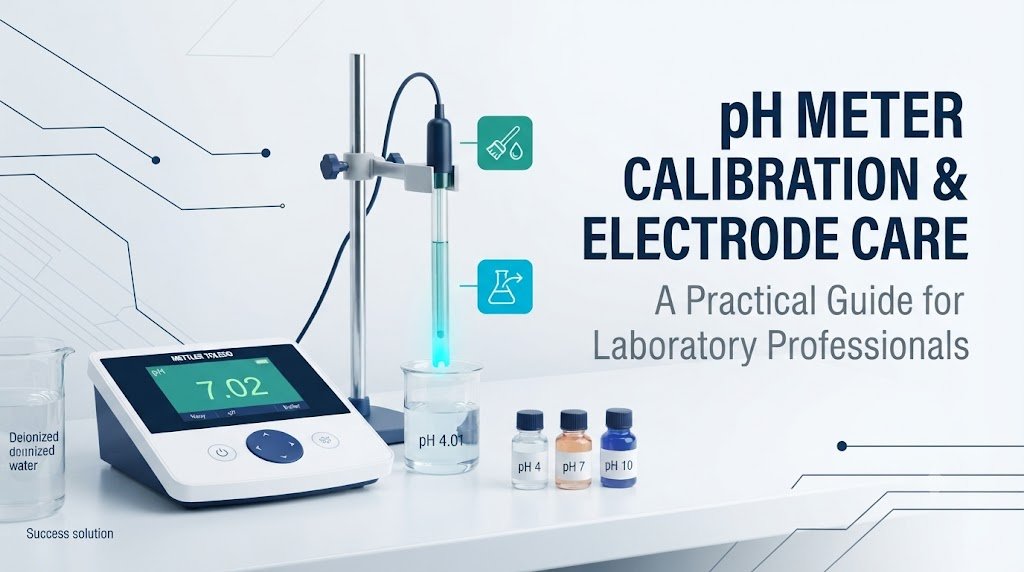
19 Oct 2026
pH meter calibration and electrode care: a practical guide
How to calibrate a pH meter with fresh buffers, read slope and offset, clean the electrode and store it correctly, based on manufacturer guidance.
Read More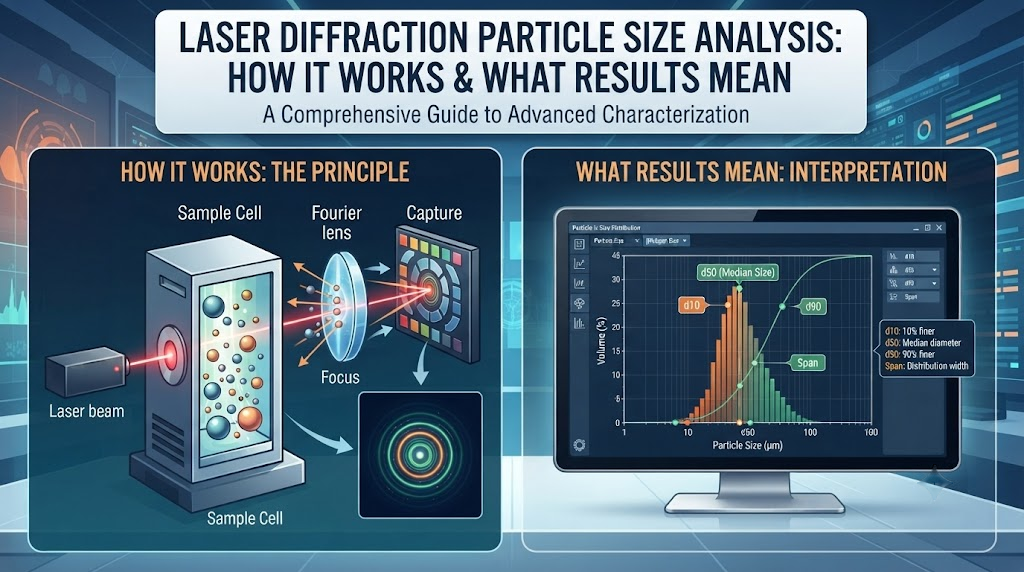
19 Oct 2026
Laser diffraction particle size analysis: how it works and what results mean
How laser diffraction turns scattered light into a size distribution, what Dv10, Dv50 and Dv90 tell you, and why optical models and sampling matter.
Read More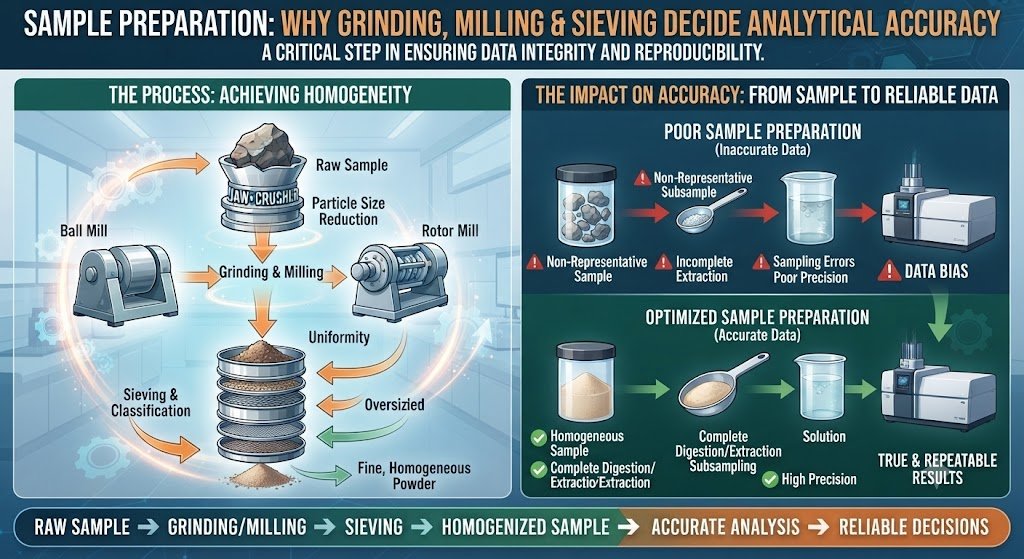
19 Oct 2026
Sample preparation: why grinding, milling and sieving decide accuracy
Why a representative, homogeneous, correctly sized sample matters more than the instrument that follows, and how to choose between crushers, mills and sieves.
Read More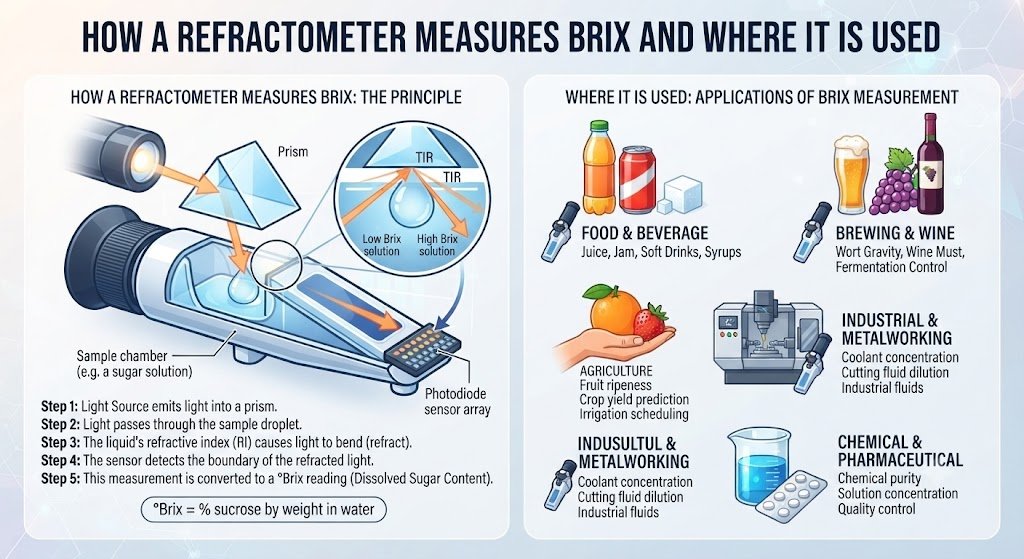
19 Oct 2026
How a refractometer measures Brix and where it is used
The refractive index principle behind Brix readings, why temperature matters, what Brix does and does not tell you, and where refractometers are used.
Read More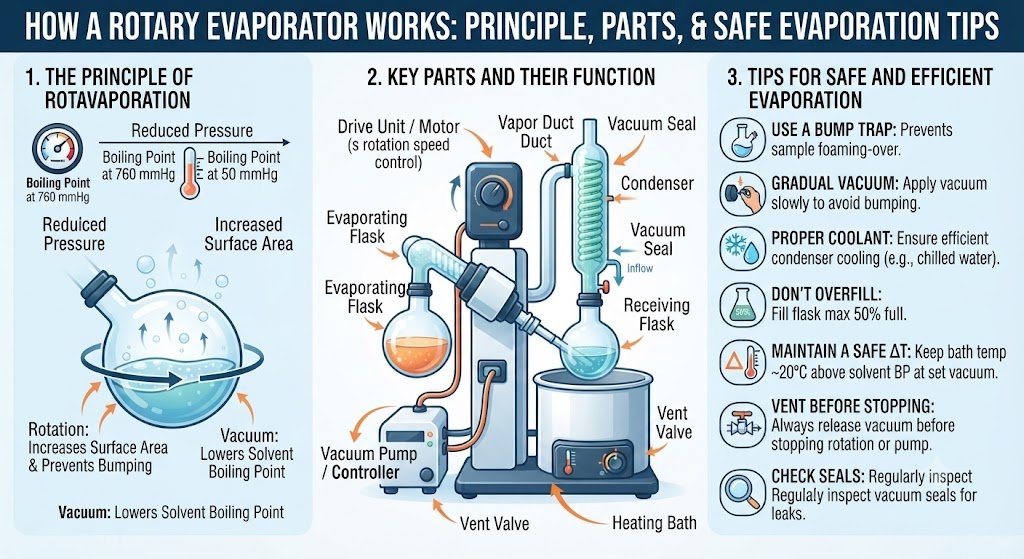
19 Oct 2026
How a Rotary Evaporator Works: Principle, Parts and Tips for Safe Evaporation
Vacuum, a warm bath, a rotating flask and a cold condenser work together to remove solvent gently. Here is how each part helps, and how to set them sensibly.
Read More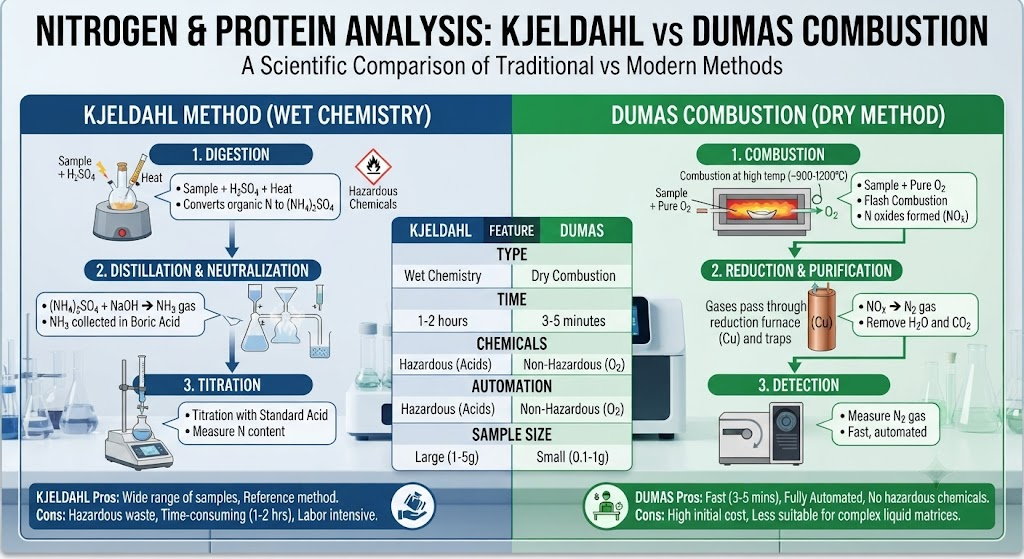
19 Oct 2026
Nitrogen and Protein Analysis: Dumas Combustion vs Kjeldahl
Both methods measure nitrogen and convert it to protein, but they differ in speed, reagents and results. A balanced look to help you choose and report correctly.
Read More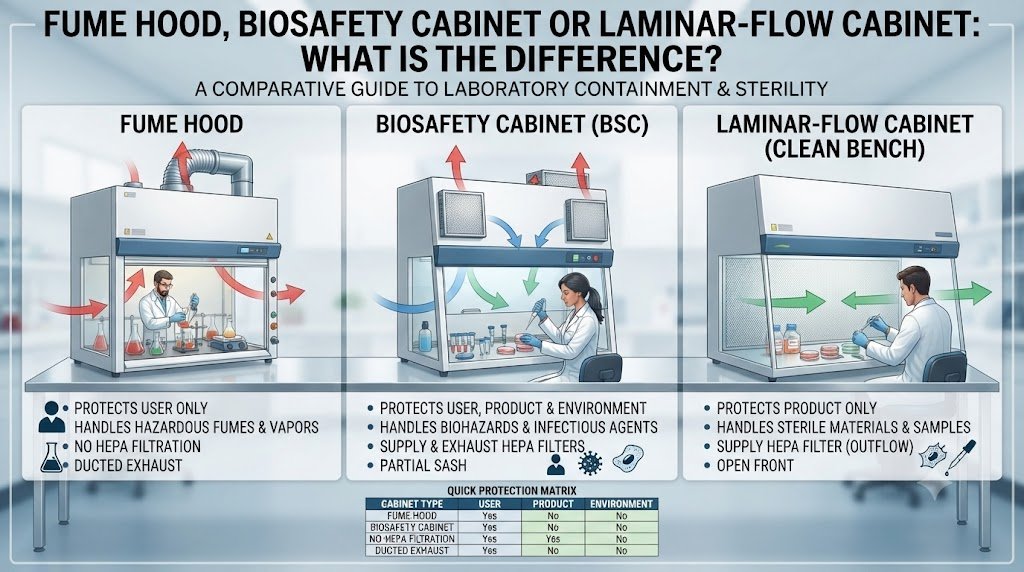
19 Oct 2026
Fume Hood, Biosafety Cabinet or Laminar-Flow Cabinet: What Is the Difference?
They look alike but protect different things. Learn what a fume hood, a biosafety cabinet and a clean bench each protect, and why choosing wrongly is risky.
Read More